


Navigating the Mobile Landscape: Official vs Unofficial Phones in Bangladesh

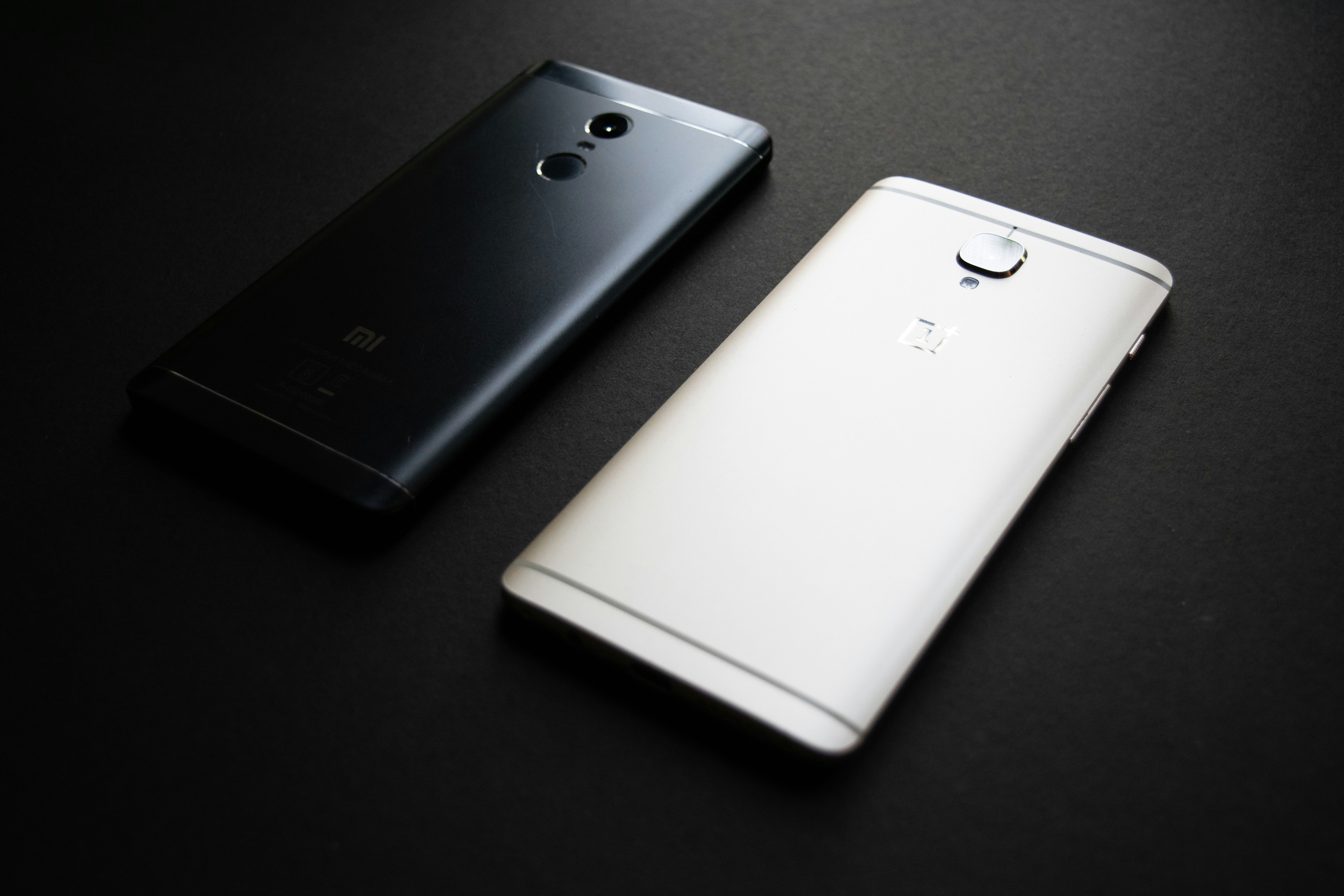
Understanding Official Phones: Features and Benefits
In Bangladesh, an official phone is defined as a device that has been officially imported and distributed by authorized distributors or manufacturers. These phones come with valid certifications, which include compliance with local regulations and quality standards set forth by the Bangladesh Telecommunication Regulatory Commission (BTRC). This regulatory oversight ensures that consumers receive products that meet safety and performance benchmarks.
One of the prominent benefits of purchasing an official phone is the warranty and after-sales support that usually accompanies these devices. Authorized dealers typically provide a warranty period covering repairs and defects, which adds a layer of security for the consumer. Additionally, official phones often include software and security updates released by the manufacturer, ensuring that the device remains secure and functions optimally over time.
Moreover, official phones are generally more reliable in their performance than unofficial counterparts. With integrated hardware and software that have been optimized for the specific model, users can expect consistent functionality without the issues related to counterfeit products. The authenticity of official phones also means that users can trust the device will perform as advertised, without the risk of encountering counterfeit components.
Several popular official phone brands have established a strong presence in the Bangladeshi market. Brands such as Samsung, Xiaomi, and Huawei are known for their officially sold devices, offering a wide range that caters to different consumer needs and budgets. These brands have built a reputation for quality and reliability, making their official phones a preferred choice among Bangladeshi consumers.
The Reality of Unofficial Phones: Risks and Rewards
The proliferation of unofficial phones in Bangladesh has sparked a complex debate about their risks and rewards. Unofficial phones generally refer to devices that are imported through informal channels, often bypassing authorized dealers and manufacturers. These phones are typically acquired through grey markets, where they are sold at lower prices compared to their officially sanctioned counterparts. Common brands seen in this segment include Xiaomi, Oppo, and Samsung, among others.
One of the major attractions of unofficial phones is their affordability. Consumers are often drawn to the allure of high-spec devices at a fraction of the price of official models. The competitive pricing can make high-end technology accessible to a broader demographic, particularly those who may not have the budget for officially imported devices. Furthermore, unofficial phones often come in a wide variety of options, allowing consumers to choose from an extensive array of features and styles that suit their preferences.
However, the enticing advantages of unofficial phones come with several significant risks. One of the primary concerns is the lack of warranty. Official retailers usually provide warranties that cover repairs and replacements, but unofficial devices frequently lack such assurances, leaving consumers vulnerable to unexpected defects. Additionally, there is the risk of counterfeit components. Inferior or fake parts can compromise the phone’s performance and longevity, potentially leading to higher long-term costs for consumers.
Security concerns also play a crucial role in the decision-making process for potential buyers of unofficial phones. The absence of regulatory oversight raises questions about data privacy and security measures, which can expose users to risks such as data breaches and malware. Thus, while unofficial phones may present tempting opportunities for savings and variety, prospective buyers must weigh these risks carefully against their potential rewards.
Consumer Perspectives: Why Bangladeshi Users Choose Official or Unofficial Phones
In Bangladesh, the choice between official and unofficial phones has become a prominent topic among consumers, influenced by a variety of factors such as budget constraints, brand loyalty, and perceptions of quality. The dynamics of the mobile phone market in Bangladesh present a unique landscape that shapes these consumer preferences.
One primary reason consumers opt for unofficial phones is pricing. Many Bangladeshi users face financial limitations, leading them to choose devices that offer the best value for their money. Unofficial phones typically come at a significantly lower price point compared to their official counterparts, making them accessible for a broader audience. Users have reported being able to purchase high-specification models at a fraction of the price, enhancing their appeal in cost-sensitive markets.
Brand loyalty also plays a crucial role in consumer choices. Many individuals have established preferences for certain brands based on past experiences, advertising, or recommendations from friends and family. While some users remain loyal to official brand distributors seeking assurance of quality and post-purchase service, others are drawn to the innovative features and competitive pricing of unofficial brands, embracing a more diverse smartphone experience.
Moreover, perceptions of quality significantly impact buying decisions. Some consumers believe that unofficial phones compromise on build quality and after-sales services despite their appealing price tags. However, anecdotal evidence from users suggests some have had satisfying experiences with unofficial models, illustrating an important shift in perception. Personal stories indicate that transitioning from an official to an unofficial device can result in mixed feelings—while some users enjoy the features and affordability, others express concerns over durability and support.
Ultimately, the decision-making landscape for mobile phones in Bangladesh is shaped by varying consumer perspectives, which are continually influenced by changes in economic conditions, market trends, and technological advancements.
The Future of the Mobile Market in Bangladesh: Trends and Projections
As we look forward to the future of the mobile market in Bangladesh, several key trends and projections are poised to shape the landscape. One notable trend is the impending rollout of 5G technology, which promises to revolutionize mobile communication in the country. With significantly faster data speeds and lower latency, it is expected that 5G will not only enhance user experience but also open doors for new applications, including IoT (Internet of Things) and smart city initiatives.
Moreover, government regulations concerning phone imports are likely to play a critical role in the market’s evolution. Stricter import policies could impact the availability of unofficial phones, driving more consumers toward official channels. This shift may lead to increased market share for authorized distributors and manufacturers, as consumers become more aware of the benefits associated with purchasing officially sanctioned devices, such as warranty, service, and security.
Furthermore, local manufacturers are beginning to respond strategically to the growing presence of international brands. Companies are investing in innovation and aiming to produce devices that not only compete on price but also on quality and features. This trend is vital as it might encourage a more sustainable market in Bangladesh, reducing dependence on unofficial imports while increasing the appeal of local brands among consumers.
In examining consumer behavior, it is evident that preferences are evolving, with consumers becoming more discerning regarding quality and brand reliability. As information about the implications of using unofficial devices spreads, consumers may begin to prioritize purchases that provide better support and quality assurance. This shift could significantly impact the growth trajectory of both the official and unofficial phone markets in Bangladesh over the next few years.