


DDR4 vs DDR5 Laptop RAM: Which is Better for Modern Users?

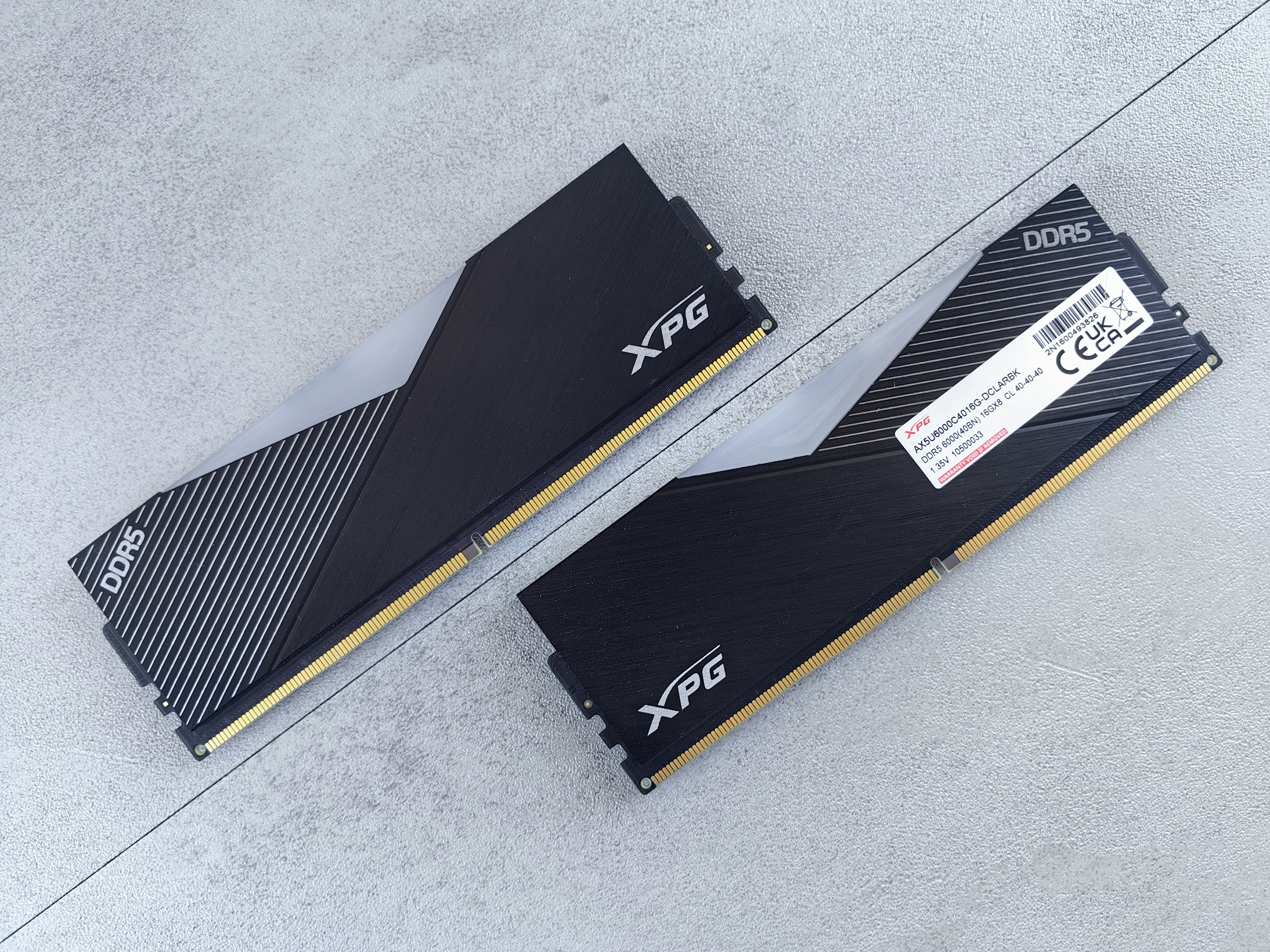
Understanding DDR4 and DDR5: An Overview
DDR, which stands for Double Data Rate, is a type of synchronous dynamic random-access memory (SDRAM), widely used in computer systems for its efficient data transfer capabilities. Each generation of DDR RAM has brought enhancements in speed, efficiency, and overall performance. The transition from DDR4 to DDR5 serves as a significant marker in these advancements, particularly for modern laptop users.
DDR4 has been the standard RAM technology for many years, offering data rates between 1600 MT/s to 3200 MT/s. It features an architecture that incorporates two channels per module, this means that it can effectively transfer data on both the rising and falling edges of the clock cycle, doubling the data rate compared to previous generations. DDR4 also allows for increased capacity and lower power consumption, making it a reliable choice for a variety of applications.
However, DDR5 takes these improvements a step further. One of the primary differences lies in its architecture; DDR5 RAM introduces more banks and bank groups, which allows for better utilization of memory, higher concurrency, and lower latency. The data rates in DDR5 begin at 4800 MT/s, with the potential to reach 8400 MT/s or more as technology progresses, effectively delivering substantial performance boosts for modern applications.
Furthermore, DDR5’s increased bandwidth offers significant benefits for tasks such as gaming, content creation, and multitasking. This increase in bandwidth is complemented by advances in power efficiency, catering to the needs of contemporary devices that require swift performance without compromising battery life. As a result, DDR5 is viewed as the next evolutionary step in RAM technology, promising enhanced performance and efficiency for modern users.
Performance Comparison: Real-World Benchmarks
The evolution of RAM technology has brought about significant advancements in computer performance, with DDR4 and DDR5 being at the forefront of this progression. In assessing the performance differences between DDR4 and DDR5 RAM, it is crucial to examine real-world benchmarks that illustrate their capabilities across various applications.
One of the primary areas where RAM impacts performance is gaming. Recent benchmarks have shown that DDR5 offers substantial improvements, especially in high-resolution settings. For example, while testing a popular graphics-intensive title, systems equipped with DDR5 RAM demonstrated frame rates approximately 10-20% higher compared to those utilizing DDR4. This enhancement can be attributed to DDR5’s higher bandwith, which allows for faster data transfer rates, thus rendering smoother gameplay experiences.
Multitasking is another domain where the differences between these two RAM types become evident. During productivity benchmarks involving numerous applications running simultaneously—such as web browsers, document editors, and media players—DDR5 RAM exhibited superior performance. With higher capacity to manage concurrent processes, users found that systems with DDR5 maintained responsiveness and reduced latency in switching between applications compared to those with DDR4 RAM.
Moreover, assessment of benchmarks related to content creation tools reveals that DDR5 significantly enhances loading times and overall processing speeds in resource-heavy programs such as video editors and 3D modeling software. Users reported noticeably quicker render times and improved handling of complex projects with DDR5 modules, showcasing their suitability for professional environments.
In conclusion, while both DDR4 and DDR5 RAM serve their purpose effectively, the performance metrics gathered from real-world benchmarks indicate a clear advantage for DDR5, particularly in areas like gaming, multitasking, and productivity applications. The choice between the two should consider the specific needs of the user and the applications they intend to run.
Compatibility and Future-Proofing Considerations
When choosing between DDR4 and DDR5 laptop RAM, understanding compatibility is crucial for seamless integration and optimal performance. DDR4 is widely supported across a broad range of laptops, especially in models manufactured prior to 2022. However, as DDR5 specifications are relatively new, it’s essential to verify that your laptop’s motherboard explicitly supports DDR5 RAM if you decide to pursue this latest technology. This indicates that not all current devices will easily accommodate DDR5, potentially requiring a motherboard upgrade or even a new laptop altogether for those who wish to utilize it.
The transition from DDR4 to DDR5 brings forward the concept of future-proofing. DDR5 RAM is designed to cater to emerging software and gaming needs, with significant advantages in speed, bandwidth, and power efficiency. As modern applications and games become increasingly demanding, investing in DDR5 might be a strategic decision for long-term benefits. Potentially, it could extend your laptop’s operational lifespan, allowing it to handle advanced tasks without necessitating immediate upgrades.
However, prospective buyers must weigh the cost of DDR5 against their current and future needs. Early adoption can often come with premium pricing, and if your primary usage involves basic tasks, such as web browsing or document editing, DDR4 may still suffice.
Ultimately, whether you choose DDR4 or DDR5 will hinge on your current laptop’s compatibility and how you envision your computing needs evolving in the coming years. A thoughtful approach regarding your investment will help ensure it aligns with your intended usage scenarios, ensuring that you can enjoy the benefits of increased performance from your chosen RAM type.
Cost Analysis and Value for Money
When considering the purchase of laptop RAM, especially between DDR4 and DDR5 options, cost is a prominent factor influencing many users’ decisions. DDR4 RAM has been widely used for years, resulting in a more mature market with lower prices due to the higher availability compared to its successor, DDR5. As of late 2023, DDR4 modules typically range between $30 to $100, depending on the capacity and speed. In contrast, DDR5 RAM, which has only recently entered the mainstream market, tends to be considerably more expensive, with many options priced from $60 to over $200.
The price-to-performance ratio is a crucial aspect to analyze for potential buyers. Although DDR5 offers superior performance characteristics, such as increased bandwidth and improved efficiency, the average user may not notice significant advantages in daily tasks such as web browsing or document editing. For users focused on standard applications, DDR4 may indeed prove to be a more economical choice.
On the other hand, those involved in demanding tasks, such as gaming, video editing, or other resource-intensive applications, might find that the enhanced performance of DDR5 justifies the higher cost. Moreover, with the trend towards higher resolutions and more demanding software, investing in DDR5 could yield better longevity as future-proofing against rapidly changing technology.
A long-term perspective should also be considered when evaluating the value for money. Users should think about the duration they plan to use the laptop in relation to RAM capabilities. DDR5’s performance benefits may translate into extended device usability, resulting in overall cost savings over time. However, for budget-conscious consumers or those using their devices for less intensive tasks, DDR4 remains a solid choice, effectively balancing price and performance.